
Office-Based Cataract Surgery
Bringing Advanced Cataract Care Closer to Home
Cataract surgery has traditionally been performed in a hospital or ambulatory surgery center. Advances in surgical technology, facility design, anesthesia, and patient monitoring are now allowing select ophthalmology practices to perform cataract procedures in specially designed office-based surgical suites.
This approach can provide patients with a more familiar, personal experience while maintaining the specialized environment required for eye surgery. Rather than traveling to a separate hospital or surgery center, eligible patients may be able to receive their cataract care within the ophthalmology practice they already know and trust.
At Restoration Eye Care, Dr. Trevor Smith is committed to combining advanced medical care with the close doctor-patient relationship that has always distinguished the practice.
What Is Office-Based Cataract Surgery?
Office-based cataract surgery is not performed in an ordinary examination room. It takes place in a dedicated surgical suite designed specifically for sterile ophthalmic procedures.
These facilities may include:
- A specialized operating room
- Sterile instrument storage and processing
- Dedicated air-filtration systems
- Medical-grade electrical systems
- Patient monitoring and emergency equipment
- Carefully established surgical and infection-control protocols
The American Academy of Ophthalmology has emphasized that properly designed office surgical suites are purpose-built environments rather than converted exam rooms.
During cataract surgery, the eye’s cloudy natural lens is removed and replaced with a clear artificial intraocular lens, or IOL. The basic surgical goal remains the same regardless of whether the procedure is performed in an office surgical suite, ambulatory surgery center, or hospital.
Are You a Candidate?
Office-based cataract surgery may be appropriate for patients who:
- Have cataracts affecting daily vision and quality of life
- Are medically stable for outpatient surgery
- Can remain comfortably positioned during the procedure
- Are comfortable with the recommended sedation plan
- Do not require a hospital or higher-acuity surgical environment
- Have been evaluated and approved by their ophthalmologist
The decision is never based on convenience alone. Dr. Smith will review your eye health, medications, medical history, cataract complexity, anxiety level, and individual risk factors before recommending where your procedure should be performed.
What to Expect in Office-Based Cataract Surgery
Your Cataract Evaluation
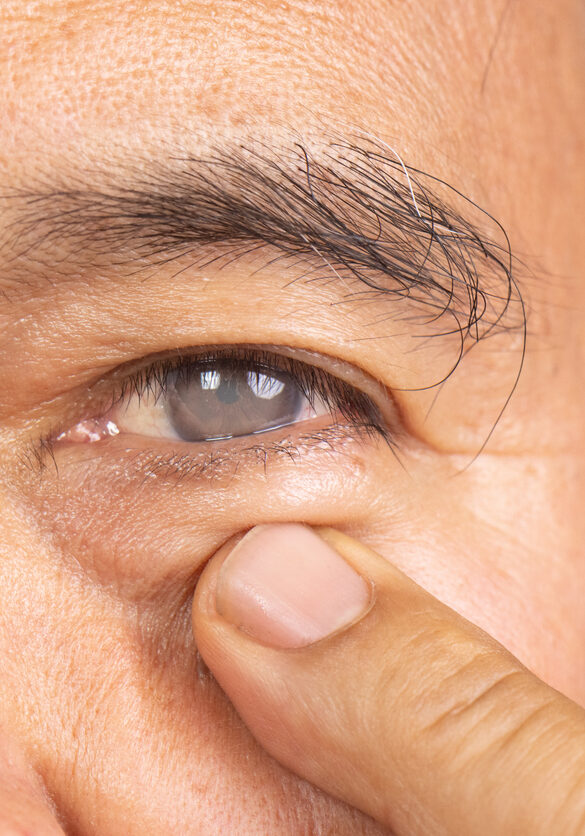
Your visit begins with a comprehensive examination and detailed measurements of your eyes. Dr. Smith will evaluate the cataract, discuss how it is affecting your vision, and help you understand your treatment and lens options.
Preparing for Surgery
Before the procedure, your eye will be dilated and numbed. Medication may be provided to help you relax. Your surgical team will monitor you and confirm that you are comfortable before surgery begins.
The Procedure
Dr. Smith removes the cloudy natural lens through a small incision and replaces it with a clear intraocular lens selected for your visual needs.
Returning Home
Cataract surgery is an outpatient procedure, so you will return home the same day. You will need someone to drive you and should carefully follow all postoperative instructions.
Follow-Up Care
Follow-up appointments allow Dr. Smith to monitor healing, evaluate your vision, and address any questions during recovery.
Personalized Lens Options
Cataract surgery does more than remove a cloudy lens. It also provides an opportunity to select an intraocular lens suited to your lifestyle and visual goals.
Depending on your eyes and preferences, available options may include:
- Standard monofocal lenses
- Astigmatism-correcting toric lenses
- Multifocal or extended-range lens options
- Customized vision correction planning
No lens is ideal for every patient. Dr. Smith will explain the advantages, limitations, and expected visual outcome of each suitable option.
Office-based cataract surgery is not performed in an ordinary examination room. It takes place in a dedicated surgical suite designed specifically for sterile ophthalmic procedures.
These facilities may include:
- A specialized operating room
- Sterile instrument storage and processing
- Dedicated air-filtration systems
- Medical-grade electrical systems
- Patient monitoring and emergency equipment
- Carefully established surgical and infection-control protocols
The American Academy of Ophthalmology has emphasized that properly designed office surgical suites are purpose-built environments rather than converted exam rooms.
During cataract surgery, the eye’s cloudy natural lens is removed and replaced with a clear artificial intraocular lens, or IOL. The basic surgical goal remains the same regardless of whether the procedure is performed in an office surgical suite, ambulatory surgery center, or hospital.
Frequently Asked Questions

Schedule a Cataract Evaluation
Contact Us Today
Are cataracts making it harder to drive at night, read, recognize faces, or enjoy your normal activities?
Schedule a comprehensive cataract evaluation with Dr. Trevor Smith to discuss your vision, lens options, and the surgical setting that best fits your individual needs.
Call Restoration Eye Care at (616) 323-2002.